Pacific Rent Growth: What Renters Need to Know
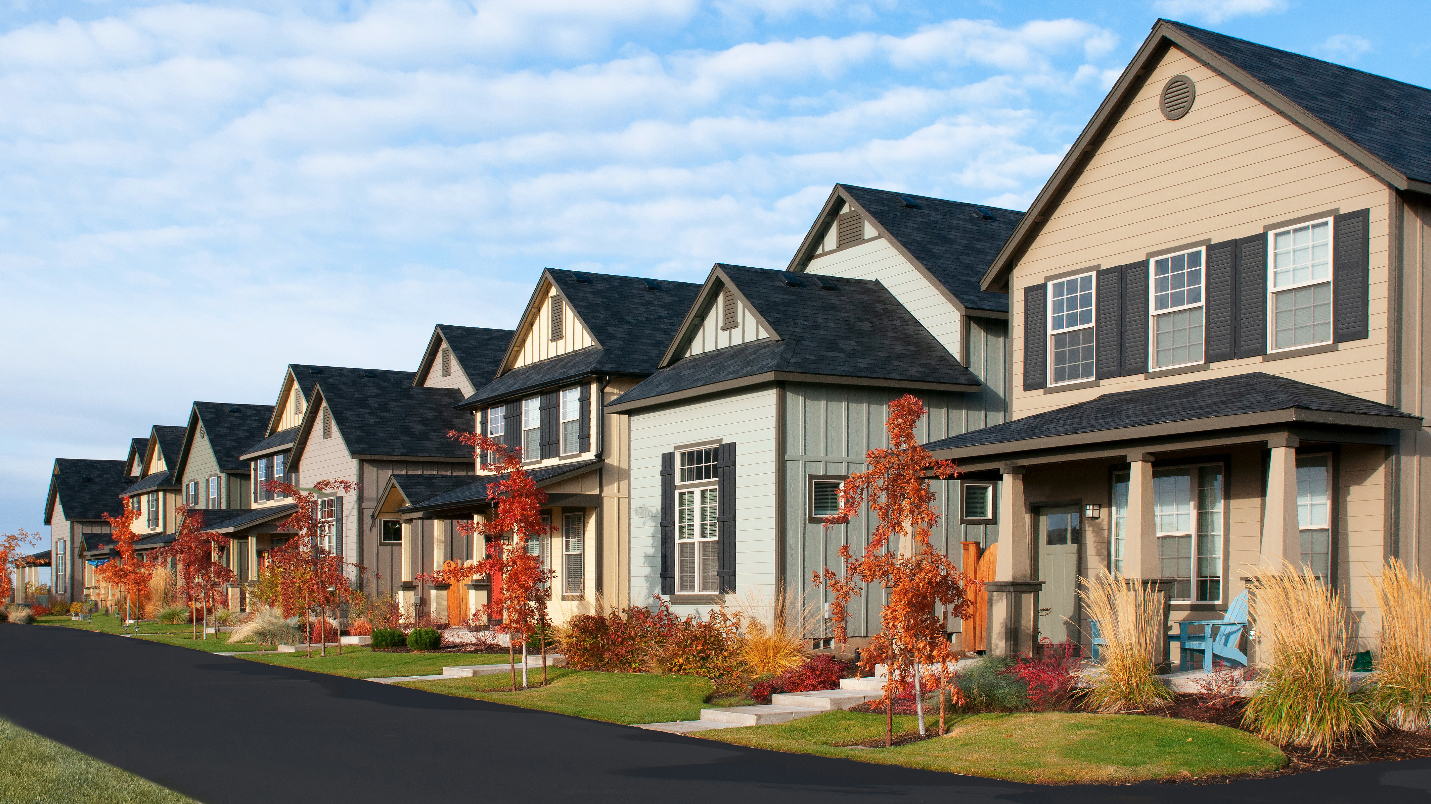
If you live on the West Coast, you may have noticed rents climbing again after a brief cooldown in many cities. The Pacific Region — which includes California, Oregon, Washington, Hawaii, and Alaska — continues to experience some of the highest rental costs in the country, driven by limited housing supply, strong demand, and high homeownership barriers.
Rents Are Rising Again in Major West Coast Cities
After a period of flat or declining rent prices in 2022 and early 2023, rents across the Pacific Region began accelerating again in late 2023 and into 2024. According to Apartment List’s July 2025 Rent Report, cities like San Diego, Seattle, and Honolulu are now seeing year-over-year rent increases of 4 to 7%, outpacing the national average.
Some notable trends:
▪︎ San Diego rents are up nearly 6.8% year-over-year, driven by strong job growth and limited new supply
▪︎ Seattle rent prices rose 4.2% in the past year after pandemic-era declines
▪︎ Honolulu continues to see sustained increases, with a 5.6% rise attributed to high tourism-related housing demand and constrained land availability
As a result, even small shifts in supply or demand can lead to sharper rent changes than in other regions.
Renters Should Plan for Seasonal and Annual Increases
Historically, rents in the Pacific Region tend to peak between April and September, when demand increases due to school cycles, new job placements, and tourism. If you are signing a lease during this window, you may face higher-than-average prices.
Here are some proactive tips:
▪︎ Monitor rental pricing trends using tools like Zumper’s Rent Research Center
▪︎ Set calendar reminders to shop early or renew off-cycle (e.g., in fall or winter) for better deals
▪︎ Consider adjacent neighborhoods or less competitive markets that offer better value without sacrificing quality of life
Budgeting for Rent Growth
If your lease is up for renewal or you are planning a move within the Pacific Region, now is the time to revisit your budget. Many financial planners recommend that renters aim to spend no more than 30% of their gross monthly income on housing, though this can be challenging in high-cost areas like San Francisco or Los Angeles.
Tips to stay ahead:
▪︎ Use a rent affordability calculator, like this one from NerdWallet, to model different rent scenarios
▪︎ Factor in additional monthly costs such as utilities, parking, and renter’s insurance
▪︎ Build or maintain an emergency fund with at least 1 to 2 months of rent set aside, especially if your rent is above 35 percent of your income
How Policy and New Supply Could Shape Future Rent Trends
While some cities have passed rent control or stabilization measures — such as Oregon’s statewide rent cap and California’s AB 1482 — these laws typically allow annual increases of 5% plus inflation, which can still result in significant jumps year over year. Additionally, many cities exempt new construction from these rules for 15 years or more.
Meanwhile, the long-term impact of zoning reforms and new housing legislation is still unfolding. According to Urban Institute housing policy research, states like California and Washington are experimenting with up zoning, missing-middle housing, and ADU (accessory dwelling unit) expansion, but these changes take time to influence supply and affordability.
Bottom Line for Renters in the Pacific Region
If you rent in California, Oregon, Washington, Hawaii, or Alaska, it is likely you will face modest to significant rent increases over the next 12 months. Being informed about local trends, lease timing, and budgeting strategies can help reduce the stress of price fluctuations.
Whenever possible:
▪︎ Research your local market before moving or renewing
▪︎ Start your apartment search early, especially in competitive areas
▪︎ Stay informed about legal protections and upcoming policy shifts in your city or state
Recent Articles


Oro is a social impact business and is incorporated as a Public Benefit Corporation (PBC). Oro is a brand of ORO Impact Inc.

